In a world ruled by algorithms, where apps predict what you’ll watch, buy, and even who you’ll date, there’s a bigger, older system that’s been mapping your patterns long before technology existed: your birth chart.
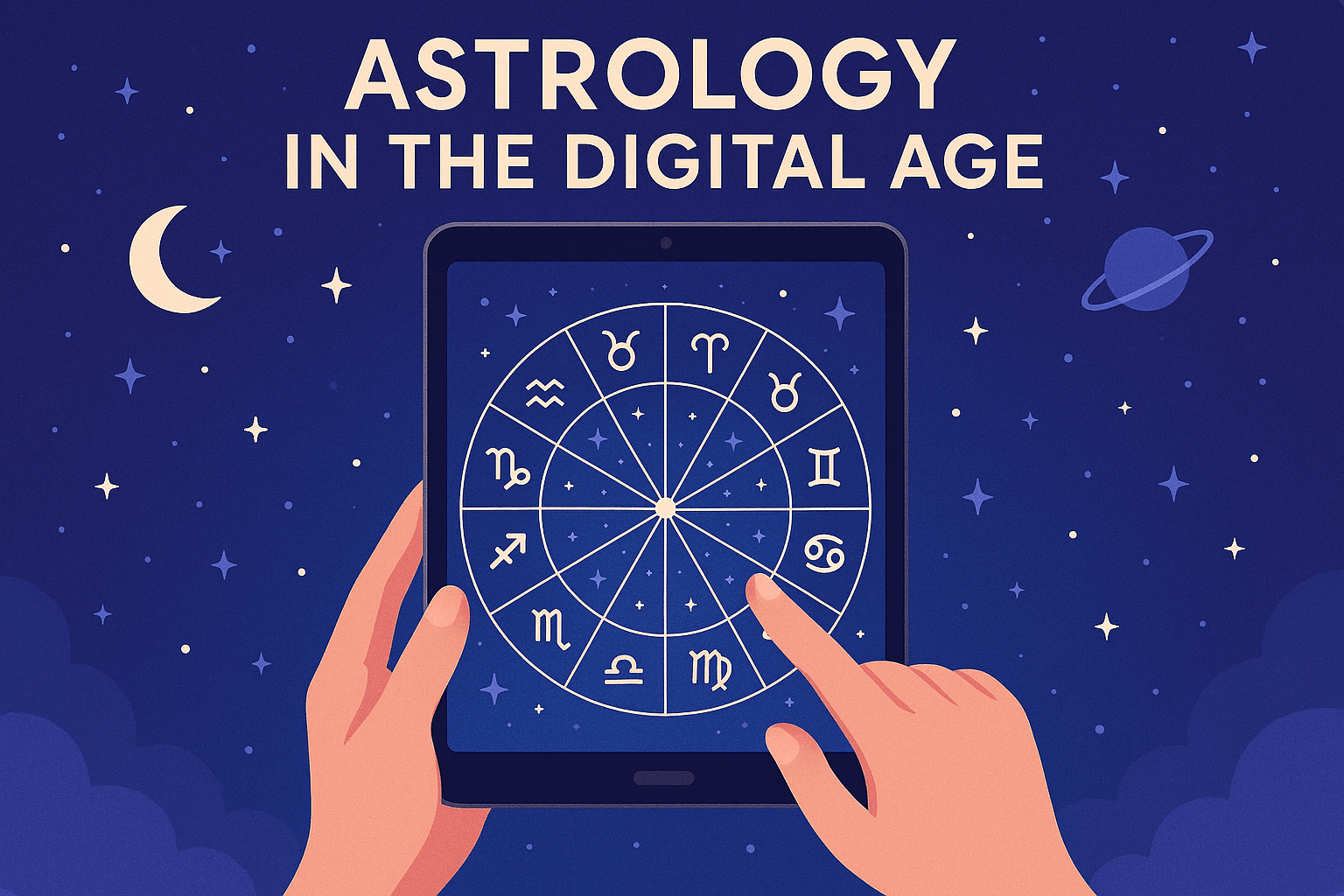
Yes, your astrology chart might just be the original algorithm.
Think about it. The moment you were born, the universe “coded” a unique cosmic pattern just for you. The positions of the planets weren’t random—they formed a blueprint that influences your personality, your habits, your emotional triggers, and even the timing of major life events.
Sounds intense? Let’s break it down.
Your Sun sign is like your main profile, the version of you that the world recognizes. It’s your identity, your essence, your “brand.” But here’s where it gets interesting: your Moon sign is your private data. It holds your emotional patterns, your late-night thoughts, and the parts of you that don’t show up on social media.
And then there’s your Rising sign, the first impression algorithm. It determines how people perceive you within seconds. It’s your vibe, your aesthetic, your energy when you walk into a room.
Together, these three create a powerful system that shapes how you move through life.
But astrology doesn’t stop there.
Every planet plays a role in this cosmic coding. Mercury influences how you think and communicate, are you quick and witty, or deep and reflective? Venus controls your love language, do you crave passion, stability, or freedom? Mars drives your ambition, do you chase goals aggressively or strategically?
Now here’s the part that makes astrology feel almost too real: planetary transits.
If your birth chart is your algorithm, transits are the updates.
Ever had a phase where everything just clicked, career opportunities, confidence, clarity? That could be Jupiter, the planet of expansion, activating your chart. Or maybe you’ve gone through a period that felt heavy, slow, and full of tough lessons. That’s often Saturn stepping in, forcing growth whether you’re ready or not.
These aren’t coincidences, they’re cycles.
One of the most talked-about astrological events online is the Saturn Return, which hits around ages 28–30 and again in your late 50s. It’s basically a cosmic reality check. People switch careers, end relationships, redefine their identity, it’s like the universe asking, “Are you living authentically, or just comfortably?”
No pressure, right?
Then there’s the rise of astrology in internet culture. From meme pages to TikTok breakdowns of zodiac traits, astrology has evolved into a language of self-expression. People don’t just ask, “What’s your sign?” anymore, they ask for your big three.
Why? Because we’re craving deeper understanding, not just of others, but of ourselves.
Astrology gives people a sense of validation. It explains why you might overthink texts, fall hard in love, avoid confrontation, or constantly reinvent yourself. It doesn’t box you in, it gives you context.
And that’s why it’s trending.
In an era where identity is fluid and self-awareness is currency, astrology offers something powerful: a mirror. Not a perfect one, but a meaningful one.
Of course, skeptics will say it’s all coincidence or confirmation bias. And sure, astrology isn’t a science in the traditional sense. But its value doesn’t lie in rigid prediction, it lies in reflection.
It asks questions like:
Why do I react this way?
What patterns keep repeating in my life?
What am I here to learn?
And sometimes, those questions matter more than definitive answers.
So, is your life controlled by the stars? Not exactly.
But are you influenced by patterns that began the moment you were born?
That’s a conversation worth having.
Because maybe, just maybe-the universe isn’t predicting your future.
It’s helping you understand your present.